0xf0 In Binary - You can use these bitwise operators to peel off the hex digits of a number, to print out stuff in hex. Ip address (dotted decimal) 0.0.0.255.

How The Cc Shift Operators Work
Hexadecimal numbers like 0xf0 are not often used in daily life, but we see them used for certain things such as html colors, shortening binary numbers, computer error codes, and math exercises.

0xf0 in binary. 0x16 hex to bin = 10110 bin. In a hexadecimal or binary literal, the integer is only denoted by the digits after the 0x or 0b characters and before any type suffix. The 0s in the second digit mean that no matter what our second number is, the result will be 0 in all four of those positions.
To swap the nibbles, we can use bitwise. 0xff0 | 0x0ff == 0xfff. Remember, you can use octal constants in c by prefixing them with an extra 0 (zero), and you can.
Each hex digit represents four binary digits; Therefore, hex is a language to write binary in an abbreviated form. Well, 0xff is the hexadecimal number ff which has a integer value of 255.
What is f0 hex in binary? The binary representation is 1111 1110 (0xff = 0, 0xf0= 1). 128 in binary or decimal to binary conversion.
Ip address (dotted decimal) 0.0.0.250: In this article, we'll discover how to use the 0xff value. This means one byte can carry binary values from 0000 0000 to 1111 1111.
Four binary digits (also called nibbles) make up half a byte. We can tell it is a hex number because it starts with 0x. Convert from/to decimal to binary.
Bitwise operators make perfect sense working with hex digits, because they operate on the underlying bits of those digits: There are two nibbles in a byte. 0xf0 is just 11110000, and since x & 0 for any bit x is always 0, and x & 1 for any bit x is always x, it follows that the zero bits in 0xf0 will switch off or mask the given bits, but leave the rest alone.
// b is an integer. Use the calculator below to convert to / from the main base systems. For example 100 is be represented as 01100100 in a byte (or 8 bits).
0xff0 & 0x0ff == 0x0f0. 0x17 hex to bin = 10111 bin. The range of codes is divided up into two major parts;
282 rows convert decimal to binary, octal and hexadecimal. I have thought about converting buf to a string of 1s and 0s and then back to an integer, but there must exist more elegant ways to accomplish this with binary operations. Therefore, underscores may not appear immediately after 0x or 0b, or after the last digit in the numeral.
So, 0xff in binary is 11111111. The two nibbles are (0110) and (0100). Ip address (dotted decimal) 0.0.0.240:
These operators will make the most sense, therefore, if we consider integers as represented in binary, octal, or hexadecimal (bases 2, 8, or 16), not decimal (base 10). First, these are hexadecimal numbers or, base 16, rather then base 10. The value of the integer or byte that needs to be built from this is 0xfe (254).
Looking at that, we see that the first four bits (the first hex digit) are all 1s, while the second 4 bits (the second hex digit) are all 0s. If we convert 0xf0 to binary, we get 1111 0000. “x & 0xf0” represents the first four digits of the binary number.
Note the bits in the lowest places just fall off the end and vanish. 0xf0 in binary what does 0. 0x1c hex to bin = 11100 bin.
In addition, we'll see how to represent it using multiple data types and how to use it with the & operator. Think of it as having 8 digits on each hand, instead of 5. If we have a group of 3 bytes, this could either represent 3 values between 0 and 255, but also one single value between 0 and 16777216 256 3.
But, what the heck is “& 0xff” doing there? 0 0 0 0 0 0 0 0. The “|” operator combines the two nibbles together to form a new binary number.
If we swap the two nibbles, we get 01000110 which is 70 in decimal. 0xf0 is a hexadecimal (hex) number. 0x15 hex to bin = 10101 bin.
0x1a hex to bin = 11010 bin. 0xff0 ^ 0x0ff == 0xf0f. 0x19 hex to bin = 11001 bin.
“>>” shifts the first four digits to the right and makes the current first four digits to zero i.e, “00000001”. It's used in order to distinguish between bases. In hex, these can be represented in.
0x18 hex to bin = 11000 bin. Here the first four digits of “00010000” are “00010000”. It's easier to think about this in binary.
0x1b hex to bin = 11011 bin. Okay, i know what “>> 8” means, we are shifting variable “b” to the right by 8 bits. What does 0x00, 0x91, 0x02 and so on mean?
Given a byte, swap the two nibbles in it. You may have reached us looking for answers to questions like: Byte a = ( b >> 8) & 0xff;
To use this calculator, simply type the value in any box at left.
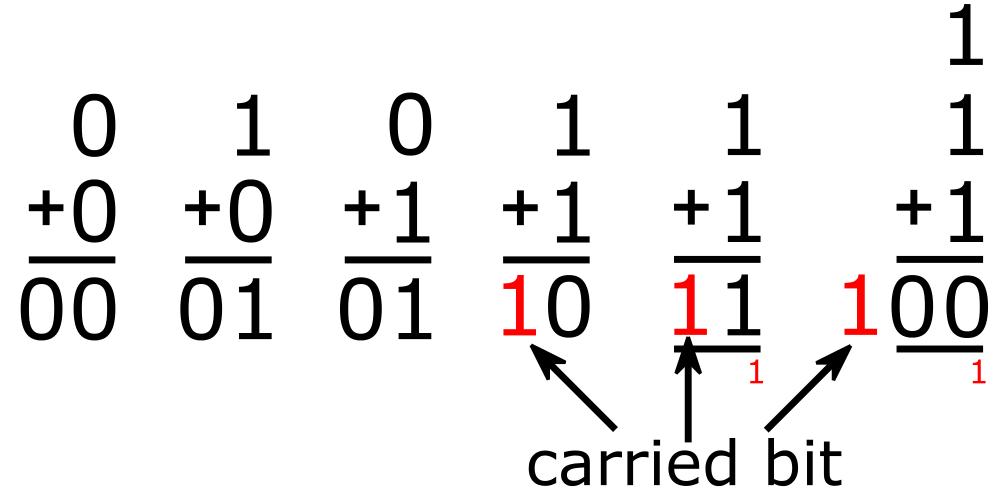
Under The Bonnet Binary Representation Of Integer By Didiet Noor Medium
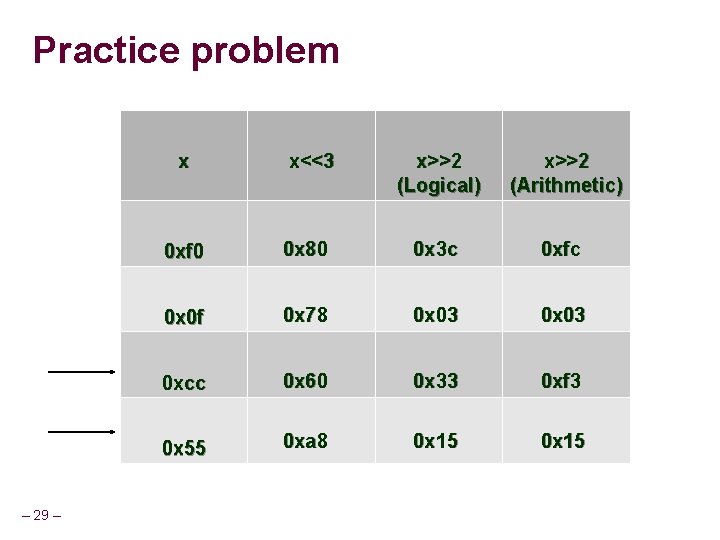
Floating Point Representation Operations And Arithmetic Floating Point
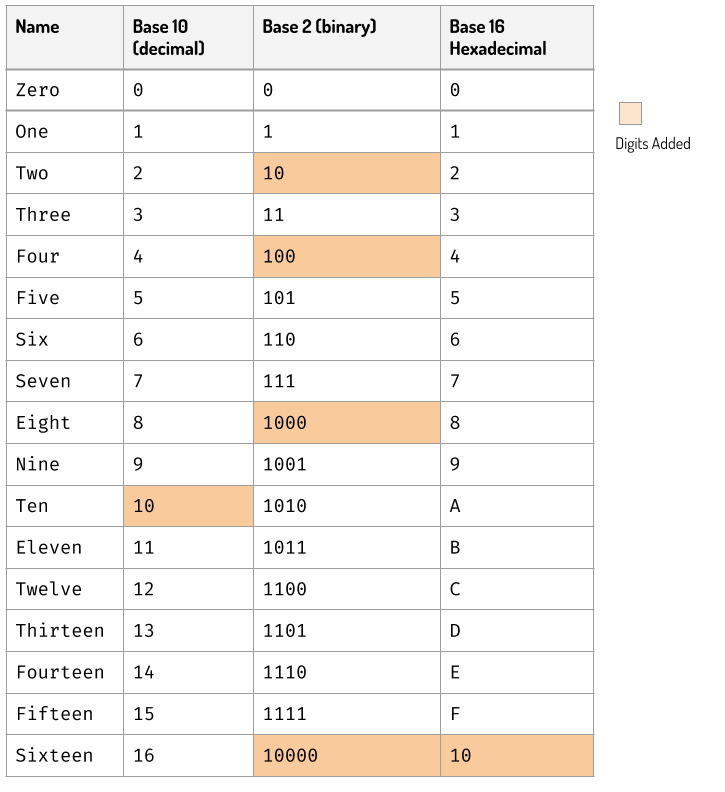
Under The Bonnet Binary Representation Of Integer By Didiet Noor Medium

Decimal To Binary Converter Using 4x4 Keypad - Arduino Project Hub
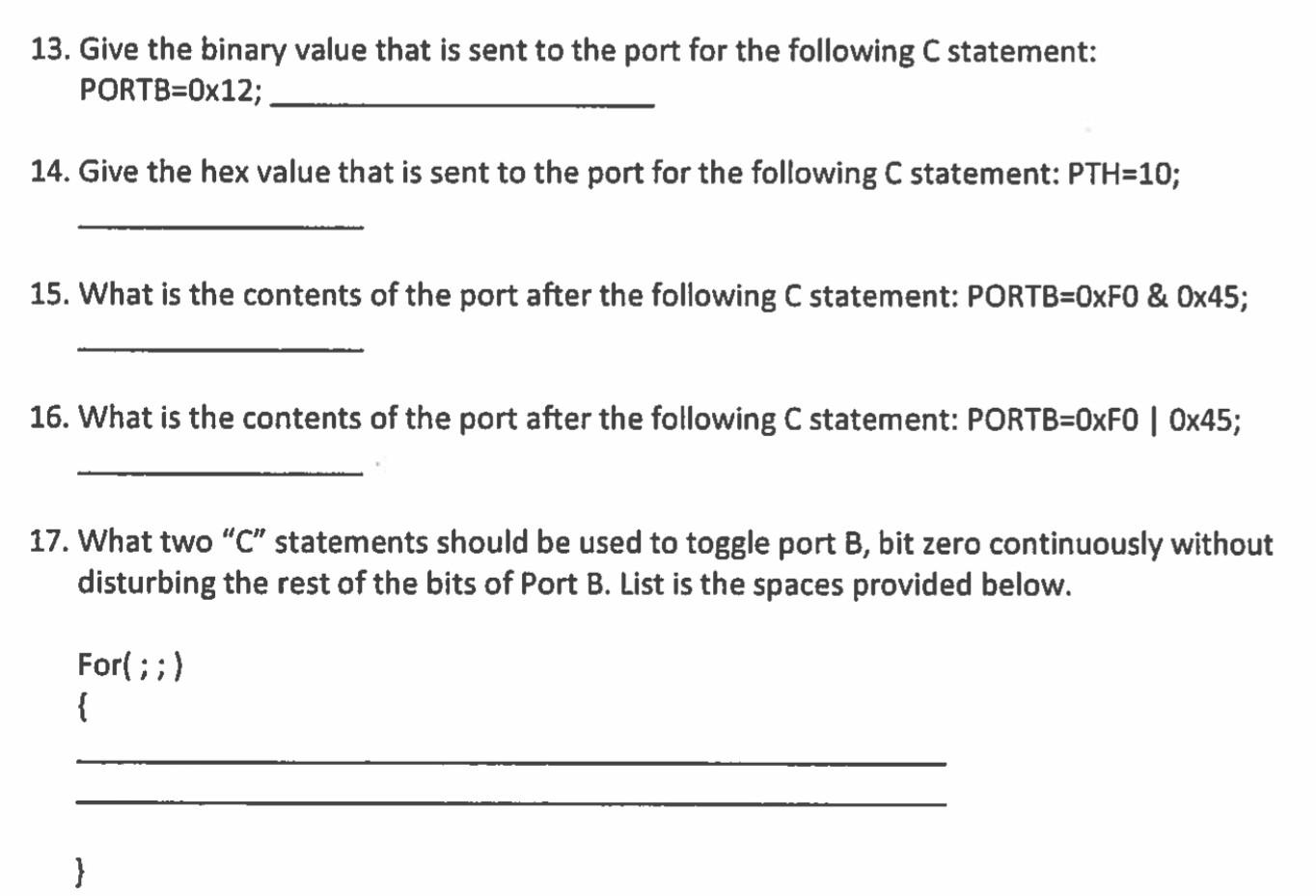
Solved I Really Need Help With This For Studying For Finals Cheggcom
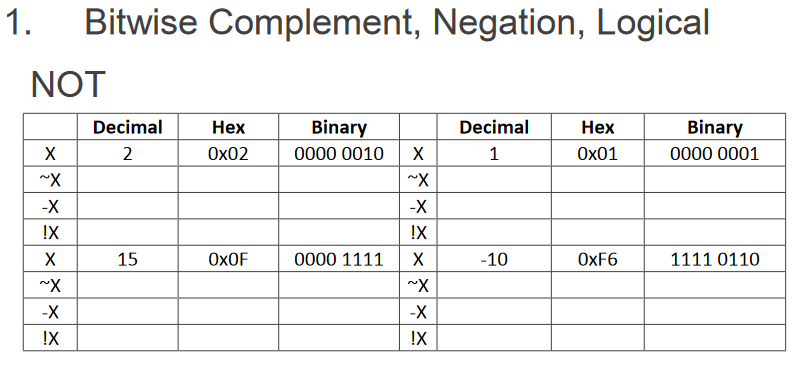
Solved 1 Bitwise Complement Negation Logical Not Decimal Cheggcom

Introduction To Binary Numbers
I Want To Understand The Working Of This Java Program In Detail Why Are We Doing It And How Are We Taking Such Values To Solve This - Stack Overflow
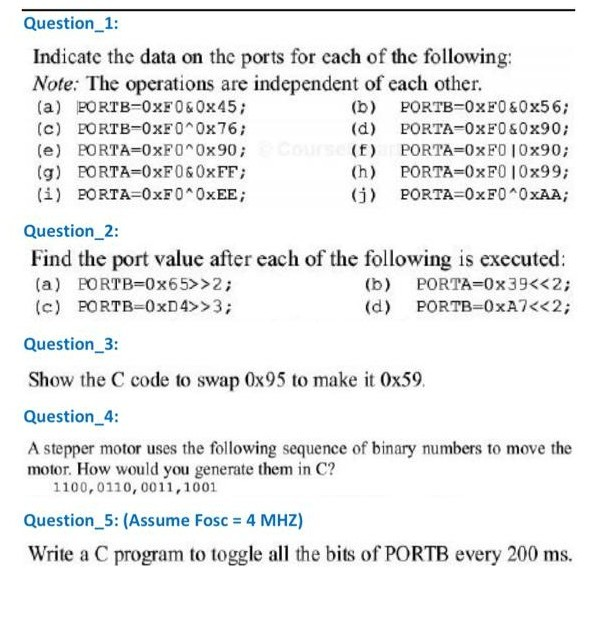
Solved Question_1 Indicate The Data On The Ports For Cach Cheggcom

Introduction To Binary Numbers
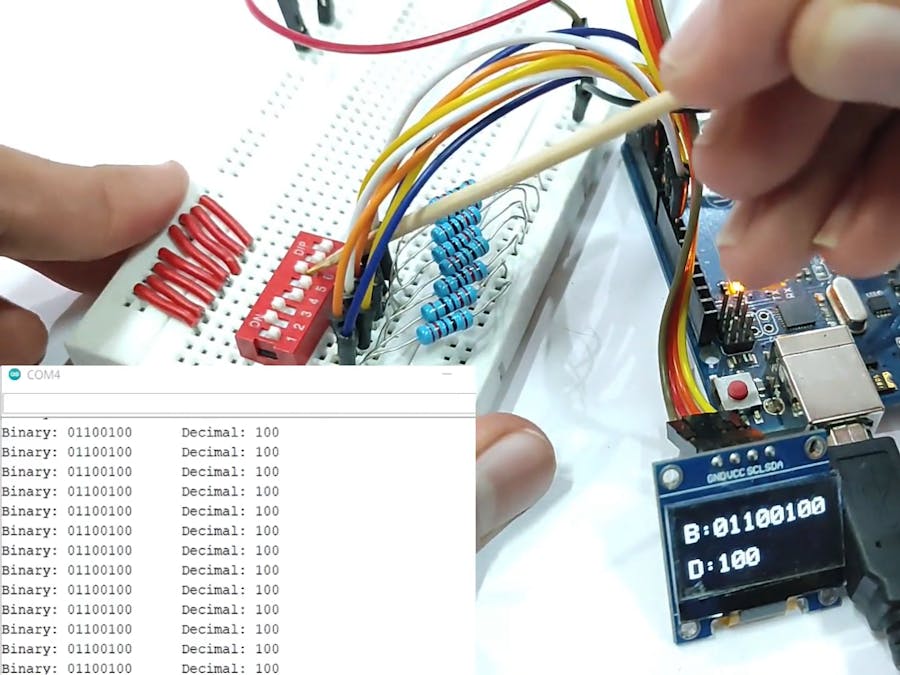
Binary To Decimal Converter Using Arduino And Oled Display - Hacksterio
Specificationtwkbmd At Master Twkbspecification Github

2d Arrays In Java Image Manipulation - Ppt Download
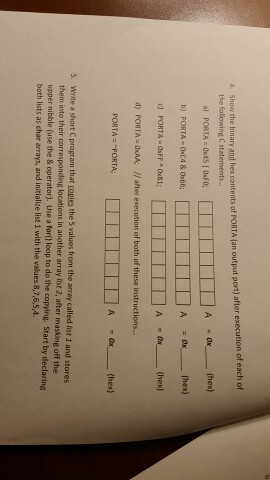
Solved Show The Binary And Hex Contents Of Porta An Output Cheggcom
